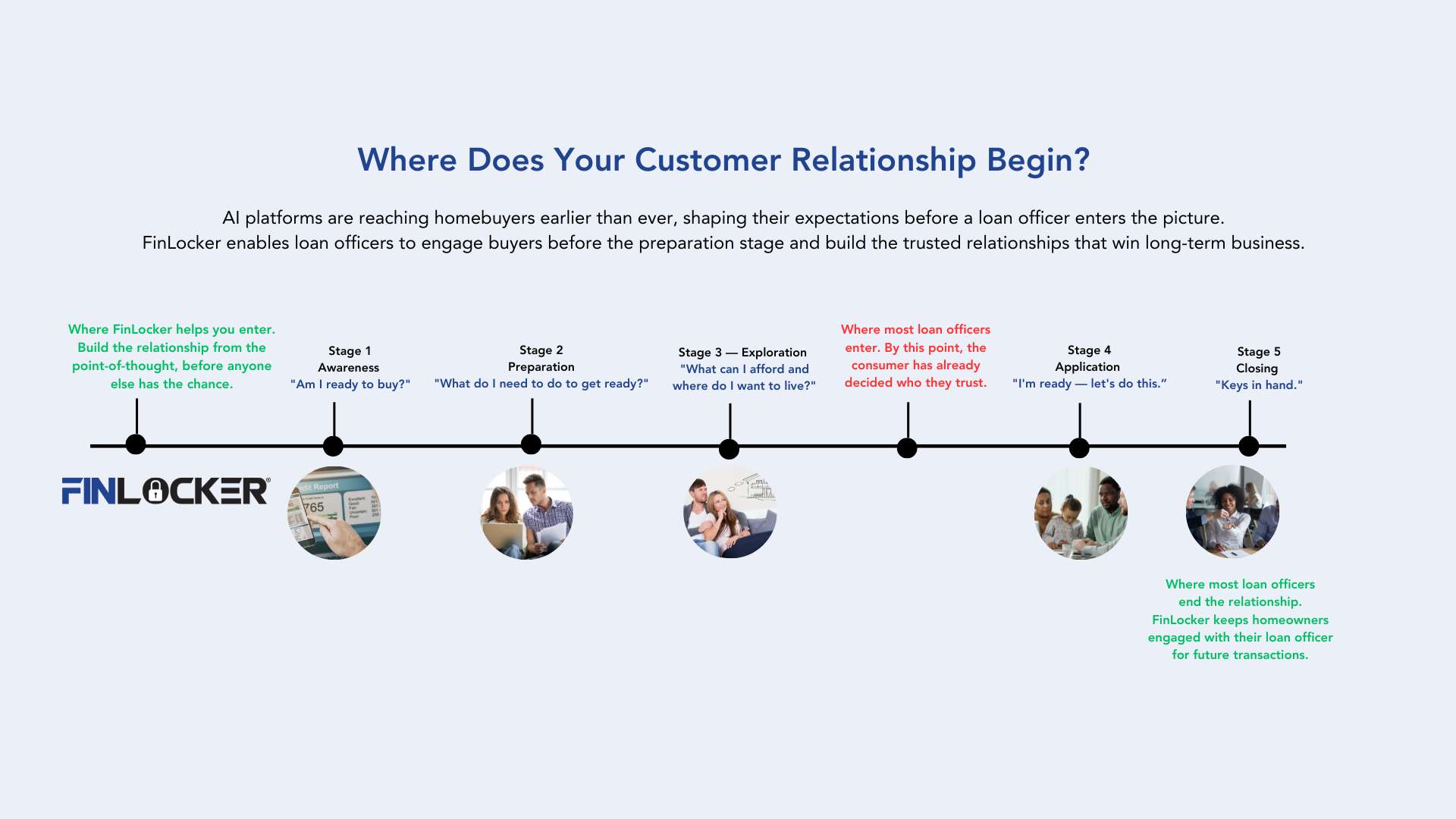
Homeownership remains one of the most powerful drivers of long-term household stability and intergenerational wealth. Yet for many Black households, the path to sustainable homeownership is still shaped by systemic barriers—unequal access to credit, affordability pressures, and limited wealth-building opportunities—that can make getting from “interested” to “approved” far more difficult than it should be.
The “why” is unchanged: homeownership remains one of the most important drivers of long-term household stability and intergenerational wealth. What has changed is the market context. Higher mortgage rates, limited inventory, and tighter affordability have made the path harder for many first-time buyers, especially for communities already navigating long-standing credit, income, and wealth gaps.
Below is a clear look at the challenge, along with practical, lender-friendly strategies you can use to turn mortgage readiness into real approvals and successful closings.
The gap is still wide, and it moved in 2025
As of Q4 2025, the homeownership rate for Black households was 44.2% (down from 46.4% a year earlier), compared with 75.1% for White non-Hispanic households (down from 74.4% in 2024), according to the Federal Reserve Bank of St. Louis. According to Redfin, the gap is similar for millennials: 32% of Black millennials own their home, compared to 66.6% of white millennials. The racial homeownership gap is smaller, but still significant, for older generations, with 53.1% of Black Gen Xers owning their home, compared to 80.6% of white Gen Xers. Among baby boomers, 60.4% of Black Americans own their homes, compared to 85.5% of white baby boomers.
That gap is not about aspiration. Research from Fannie Mae found that 79% of Black renters view homeownership as important, compared with 74% of White renters.
So, where is the breakdown happening? Data points to three big “friction points” that mortgage lenders and loan officers can directly influence.
Friction Point 1: Access to credit still isn’t equal
Higher denial rates are persistent
The Financial Times analysis of Home Mortgage Disclosure Act (HMDA) data filed between 2018 and 2023 found that Black applicants were 2.1 times likely to be denied than White applicants. In comparison, Latino applicants faced a 1.5x higher denial rate and Asian applicants were 1.2x more likely to be denied.
The leading reasons cited for denial were high debt-to-income ratios (DTI), negative credit history, insufficient cash for a down payment, and incomplete applications.
Credit score distributions matter (and show real disparity)
The CFPB found that the median credit score for Black home purchase borrowers was 698, compared with 754 for White borrowers and 763 for Asian borrowers in 2023.
What this means for LOs: Many Black buyers aren’t “unqualified”—they’re often close to qualifying. Small improvements in tradelines, utilization, reserves, and documentation can be the difference between a denial and an approval (or between a costly loan and an affordable one).
Friction Point 2: Rent pressure makes saving for ownership harder
The National Association of Realtors 2025 “Snapshot of Race and Home Buying in America” notes that Black and Hispanic renters are more cost-burdened than any other group, with over half spending more than 30% of income on rent, making down payment saving significantly harder. In comparison, fewer than 40% of the White and Asian renters are cost-burdened by rent.
What this means for lenders: If a household’s rent is already consuming savings capacity, the solution is rarely “just save more.” The solution is usually a combination of (1) targeted down payment assistance, (2) realistic purchase planning, and (3) earlier coaching on DTI and credit.
Friction Point 3: Lower down payments can increase cost and even collide with valuation issues
The “State of Equitable Homeownership” 2025 report from the National Fair Housing Alliance highlights how lower down payments and, therefore, higher combined loan-to-value ratios can raise borrowing costs and notes that higher CLTV ratios can also reflect appraisal bias that artificially deflates home values.
What this means for lenders: A low appraisal can derail financing, reduce negotiation leverage, and force a buyer to bring cash they don’t have, especially first-generation buyers without family support.
How mortgage lenders and loan officers can close the gap
Here are practical actions that map directly to the friction points above.
1) Treat “mortgage readiness” as a process, not a transaction
Build a repeatable readiness path for renters 6–18 months out:
- Credit and utilization targets
- DTI coaching (before house shopping)
- Savings plan tied to a realistic monthly payment goal
- Document preparation (income, assets, rental history)
This is where tools like FinLocker can support education and ongoing progress tracking, but the key is the system: consistent early guidance that’s measurable.
2) Add a “pre-denial prevention” checkpoint to your workflow
If higher DTI and credit history are common denial reasons in your market, don’t wait for underwriting to surface them.
Implement an internal checkpoint for first-time buyers that includes:
- A rapid DTI sensitivity review (what happens if property taxes, home insurance or rates change?)
- Credit review focused on actionable levers (utilization, disputes, thin file, collections strategy)
- A reserve plan (even small reserves can stabilize approvals)
3) Make down payment assistance “default,” not “optional”
Most buyers have heard of down payment assistance, but many don’t know how to find programs or whether they’re eligible.
Down Payment Resource has identified 2,619 homeownership programs nationwide. Every U.S. county has at least one homeownership program, and more than 2,000 counties have 10 or more such programs. However, research from Down Payment Resource and Urban Institute found that 54.7% of Black homeowners were eligible for assistance but didn’t use it.
Two simple moves:
- Promote the DPA programs you offer on social media
- Build a standard DPA script into your first consultation
- Use a consistent method to match buyers to programs early (not at closing)
4) Pair financing with housing counseling partnerships
Housing counseling can reduce fallout and improve long-term sustainability, especially for first-generation buyers navigating the process without generational guidance.
Partnering with HUD-approved counseling agencies can strengthen education, budgeting, and readiness habits (and can help standardize what “ready” looks like across your team). (HUD’s own market summary emphasizes that restrictive credit and affordability constraints are affecting homeownership outcomes.)
When paired with a FinLocker app, housing counseling becomes practical as renters have access to various financial fitness tools and educational resources to improve their credit and money management skills, which they can use to qualify for a mortgage and prepare for homeownership.
5) Build an “appraisal resilience” playbook
Because valuation issues can derail high-CLTV borrowers, prepare borrowers (and your team) for how to respond:
- Set expectations on appraisal timelines and outcomes
- Standardize reconsideration-of-value steps
- Educate buyers and agents on documentation that supports comps
The data makes one thing clear: the Black homeownership gap is not a motivation gap. It’s a friction gap, made up of credit access, affordability pressure, down payment constraints, and systems that don’t treat readiness as something you build over time.
Mortgage lenders and loan officers are uniquely positioned to reduce that friction by connecting with buyers earlier, encouraging 1:1 meetings to identify financial challenges, coaching with structure, operationalizing down payment support, partnering with trusted community resources, and providing practical financial tools, like FinLocker, that can identify and provide guidance to overcome financial barriers to homeownership.
Black History Month offers an important opportunity to examine where we stand in closing the racial homeownership gap and to commit to meaningful action. While progress has been made, recent data reveals both encouraging momentum and persistent challenges that demand our attention as mortgage professionals.
FinLocker provides mortgage lenders and loan officers with comprehensive tools and resources to support financial readiness and homeownership preparation. Schedule a demo to learn how the FinLocker platform can help you serve all clients more effectively.