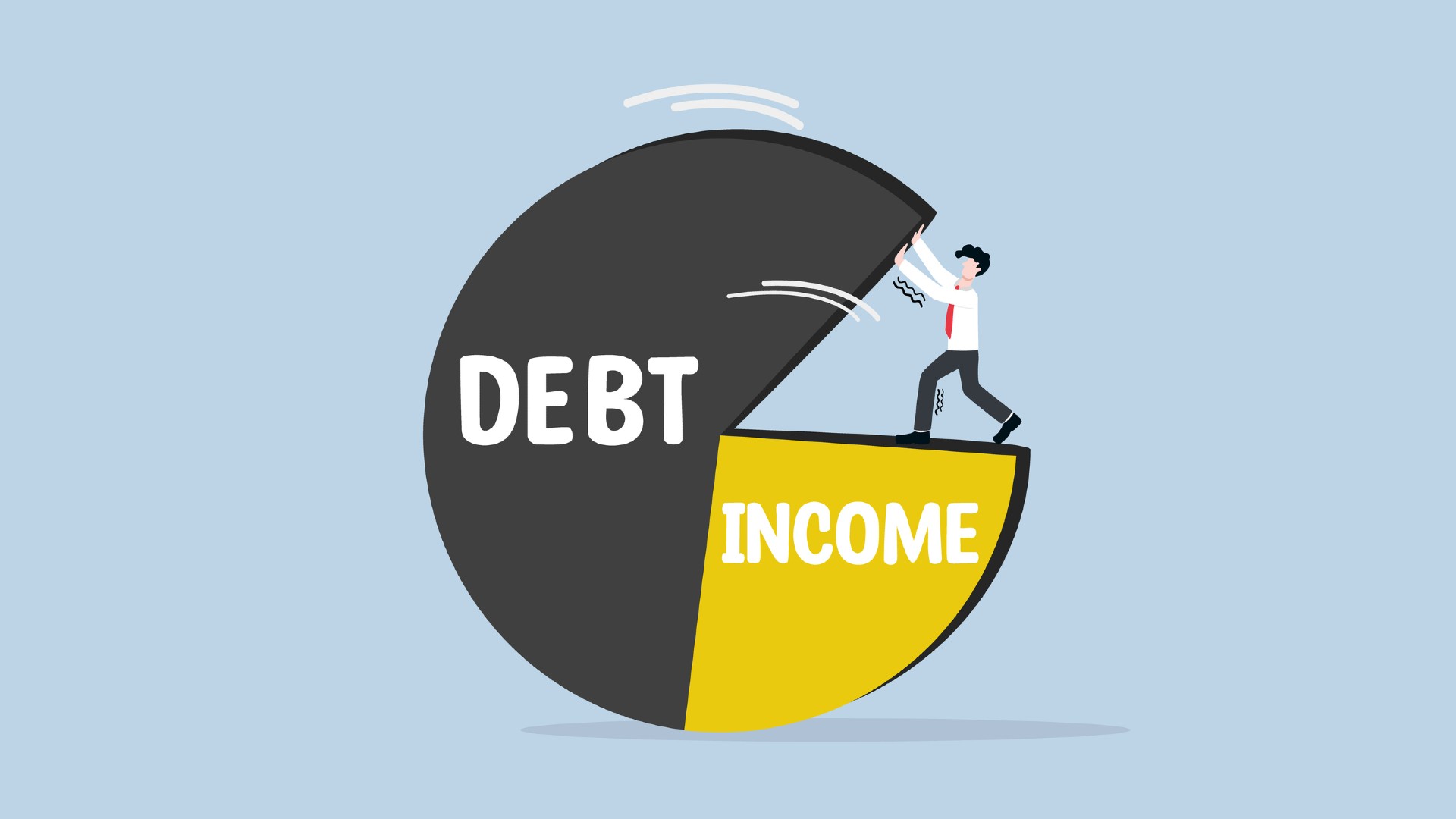
Here’s something that might surprise you: your debt-to-income ratio often matters more for mortgage approval than your credit score. Think about it from a lender’s perspective – they care more about your ability to make payments going forward than your payment history from three years ago. That’s why DTI is responsible for nearly half of all mortgage declines.
The good news? DTI is often the most controllable factor in your mortgage application. Unlike credit scores, which can take months to improve, meaningful DTI improvements can happen in weeks with the right strategy.
Understanding the targets: Lenders typically want to see your housing payment (including taxes and insurance) under 28% of your gross monthly income, and your total monthly debts under 36% for conventional loans or 43% for FHA loans. But here’s what those numbers really mean in practice.
Let’s say you make $5,000 per month. Your target housing payment should be under $1,400, and your total debts should be under $1,800 (conventional) or $2,150 (FHA). If your current total debts are $2,000 per month, you need to reduce them by just $200 monthly to meet conventional loan guidelines. One option, if you’re able, is to consider paying off a car loan early.
Strategic Debt Reduction
Focus on payment elimination, not just balance reduction. This is where most people get their strategy wrong. They focus on paying down credit cards for credit score improvement but forget that eliminating entire monthly payments gives the biggest DTI impact.
Consider Sarah’s situation: she had a $300/month car payment with 18 months left and a $250/month credit card payment that would take 36 months to pay off at minimum payments. Most people would focus on the credit card for the interest savings, but Sarah paid off the car loan first. That single move improved her DTI by 6 percentage points and made her mortgage-ready six months earlier.
However, don’t close your credit card account when it’s paid off. That can temporarily cause in a dip in your credit score due to the change in your overall credit utilization and length of credit history.
Prioritize your debt payoff strategically:
- Start with loans that have the highest monthly payment relative to remaining balance. A $200 car payment with only 10 payments left gives you more DTI improvement per dollar than paying down a $5,000 credit card by $2,000.
- Look for opportunities to eliminate small balances completely. Sometimes paying off a $800 personal loan eliminates a $75 monthly payment – that’s immediate DTI relief that shows up on your next application.
- Consider the timing of large purchases. That new car or furniture purchase can wait until after your home purchase. Every new monthly obligation moves you further from mortgage approval.
Income Optimization
Document all income sources consistently. Many borrowers leave money on the table by not properly documenting overtime, bonuses, or side income. If you’ve been earning overtime consistently for two years, that income can count toward your mortgage application.
Understand how different income types are calculated. Salary income is straightforward, but commission or bonus income is typically averaged over two years. If your income is trending upward, make sure your lender understands the trajectory.
Consider timing of income changes. If you’re expecting a raise or promotion, the timing relative to your mortgage application matters. A pay increase that’s been in effect for at least one pay period can often be documented and used for qualification.
Next, read: Documentation: Building Your Paper Trail to Approval