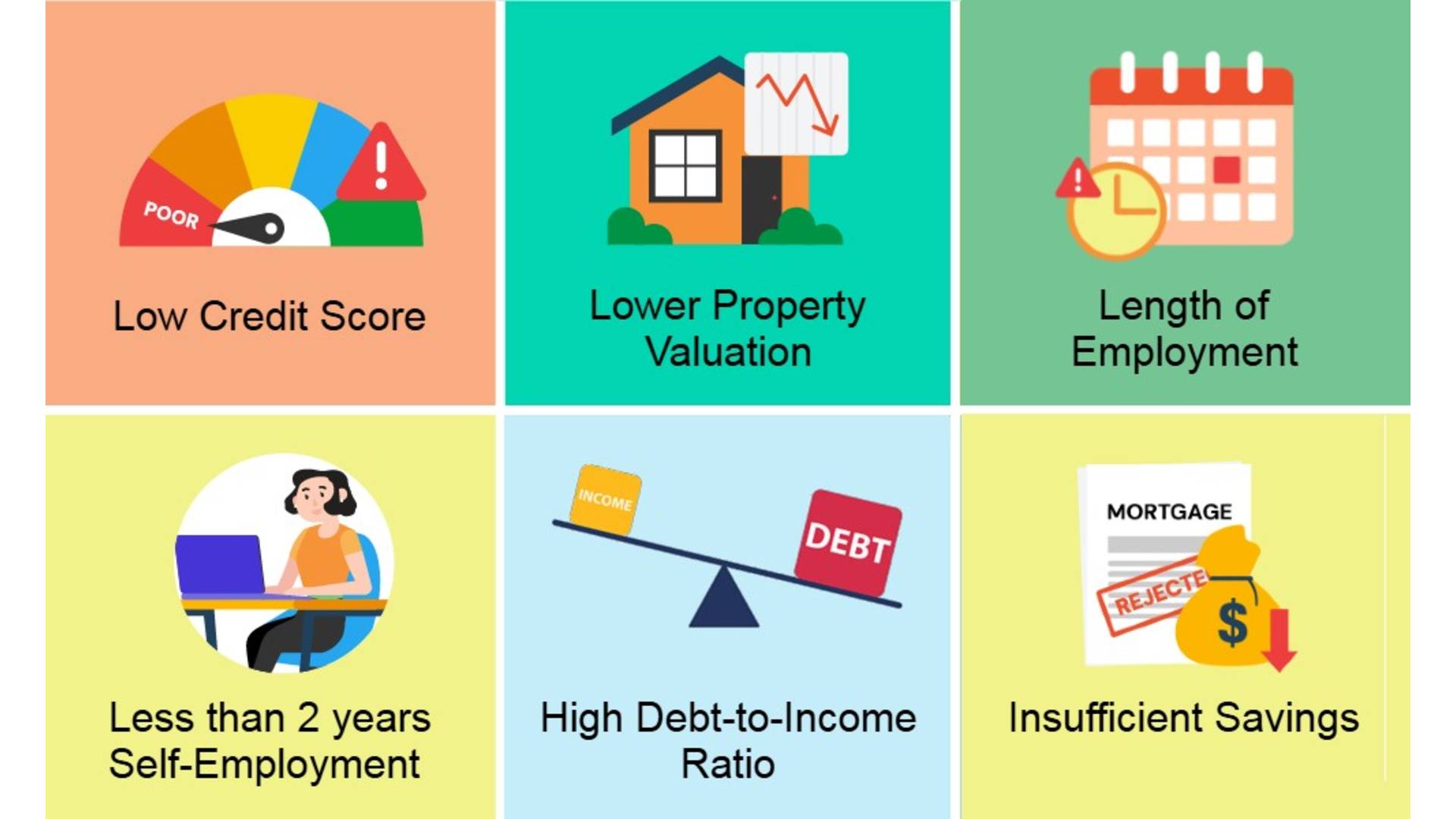
The first step in any comeback story is understanding exactly what happened. Your decline wasn’t random – there were specific, fixable reasons behind it. The good news? Once you know what to fix, you can create a targeted plan that addresses the real issues rather than guessing what might help.
Think of this like a doctor’s diagnosis. You wouldn’t treat symptoms without understanding the underlying condition, and the same principle applies here. The more specific you can get about your decline reasons, the more efficiently you can address them.
Start with what you already know:
- Review the specific decline reason(s) you were provided in writing
- If multiple reasons were listed, identify the primary factor (usually DTI or credit)
- Check your denial letter for any improvement suggestions that were included
Get clarity on the details: Understanding the specifics helps you prioritize your efforts. Was your credit score 580 or 640? The improvement strategy is different for each. Was your DTI 38% or 48%? That determines how aggressive your debt payoff needs to be.
Priority improvement areas often include: Collections accounts or charge-offs, recent late payments (within 12 months), DTI above 45%, credit utilization above 30%, and income documentation gaps. Don’t let this list overwhelm you – most people only need to address one or two of these areas to become approvable.
Next, read Credit Score Optimization Strategy